
Posted on Friday, March 13th, 2026 at 1:24 pm
Each spring, Daylight Saving Time brings longer evenings and the promise of more sunlight after work. While many people enjoy the extra daylight, the shift can also create unexpected safety concerns on the road. In fact, research consistently shows a noticeable rise in car accidents in the days following the time change.
Now that clocks have moved forward, drivers may still be adjusting to the shift in sleep schedules and morning light conditions. Below, Tiemann Law Firm explains why car accident risks often increase after Daylight Saving Time and how drivers can stay safer during the transition.
What Happens When Daylight Saving Time Begins?
Daylight Saving Time occurs when clocks are set forward by one hour in the spring and then turned back again in the fall. The goal is to maximize daylight during the warmer months.
However, even a one-hour shift can disrupt the body’s internal clock, also known as the circadian rhythm. This change can leave many people feeling more tired than usual while their sleep schedules adjust.
Fatigue and reduced alertness can have a significant impact when drivers get behind the wheel.
Why Car Accident Risks Increase After the Time Change
Several factors contribute to the increase in crashes after Daylight Saving Time begins.
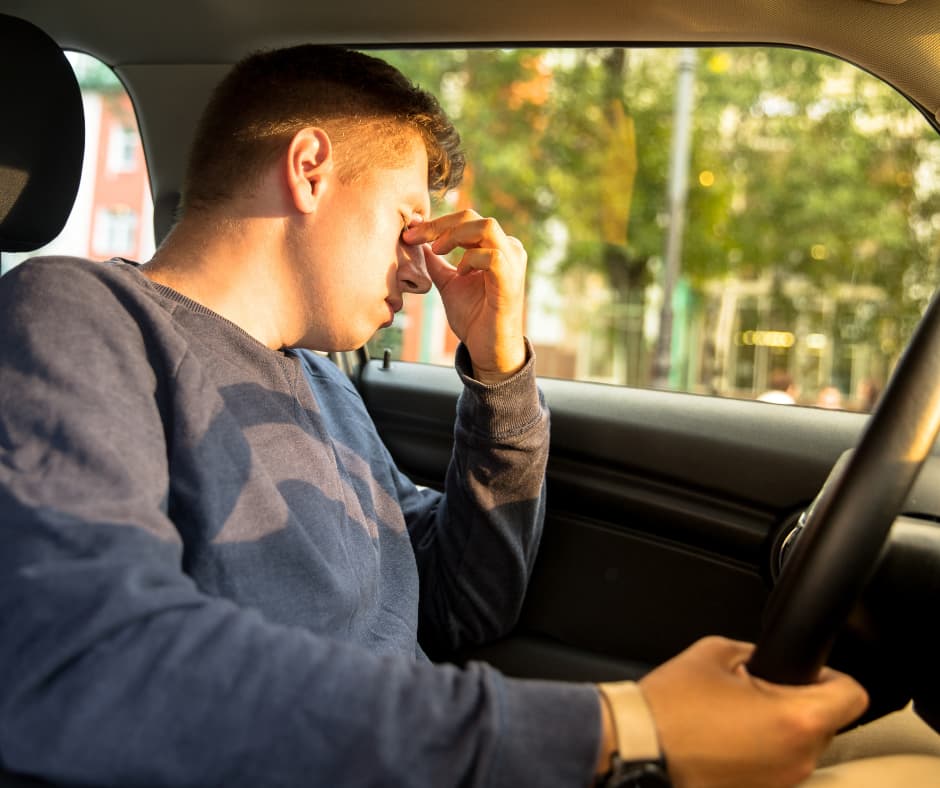
Sleep Loss and Driver Fatigue
Losing an hour of sleep can affect concentration, reaction time, and decision-making. Drowsy driving is like impaired driving in that it reduces a driver’s ability to respond quickly to hazards on the road.
Changes in Morning Driving Conditions
After the time change, many people commute in darker morning conditions than they did just days before. Reduced visibility during busy commute hours can increase the likelihood of collisions.
More Activity in the Evenings
Longer daylight hours often encourage more outdoor activity. Pedestrians, cyclists, and runners are more likely to be on the roads in the evening, which can increase the risk of accidents if drivers are not paying close attention.
Driving Safety Tips After Daylight Saving Time
Taking a few simple precautions can help reduce the risk of accidents as your body adjusts to the new schedule.
- Focus on Getting Enough Sleep – Prioritize rest during these days following the time change to help your body adapt.
- Give Yourself Extra Time in the Morning – Rushing can increase stress and lead to risky driving behavior.
- Stay Alert While Driving – If you begin to feel tired behind the wheel, pull over somewhere safe and take a break.
- Watch for Pedestrians and Cyclists – With more people outside during the evening hours, drivers should stay attentive in residential areas and busy intersections.
- Minimize Distractions – Avoid phone use and other distractions so you can remain focused on changing road conditions.
Legal Help After a Car Accident
Even small changes to our daily routines can impact road safety. Being aware of how Daylight-Saving Time affects sleep and driving conditions can help drivers stay more cautious during this seasonal transition.
If you or a loved one needs legal support and guidance, contact the personal injury attorneys of Tiemann Law Firm to set up a free, same-day consultation at (916) 999-9000 or toll-free: 855-999-9000.

