
Posted on Thursday, January 15th, 2026 at 1:09 pm
As electric vehicles (EVs) continue to grow in popularity, they’re changing more than just how people commute. They’re also reshaping how car accidents happen and how injury claims are evaluated. Crashes involving EVs often raise unique safety concerns and legal questions that don’t typically arise with gas-powered vehicles.
Below, Tiemann Law Firm outlines the key differences between electric vehicle accidents and traditional car crashes so you can better understand the risks and your legal options.
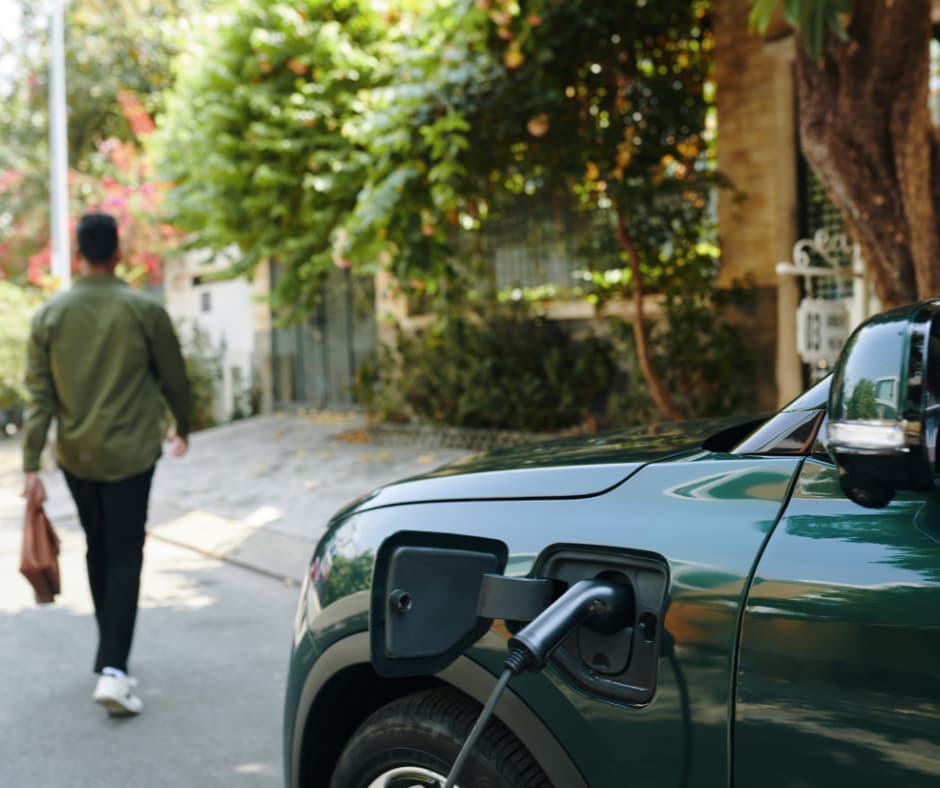
Key Differences with Electric Vehicle Accidents
1. Battery Fires and Post-Crash Dangers
One of the most significant risks in EV accidents involves damage to lithium-ion battery systems. When compromised, these batteries can experience thermal runaway, leading to fires that are difficult to extinguish and may reignite hours or even days later.
Key concerns include:
- Fires that burn hotter and longer than gasoline fires
- Risk of delayed ignition after the crash
- Potential electrical shock from exposed high-voltage components
- Increased danger for emergency responders and tow operators
2. Quiet Operation and Pedestrian Safety
Electric vehicles produce little to no engine noise at low speeds, which can make them harder for pedestrians and cyclists to detect, particularly in parking lots and residential areas.
This can increase the risk of:
- Pedestrian and bicycle collisions
- Accidents involving children or visually impaired individuals
- Low-speed impacts in urban or high-traffic environments
Although regulations now require artificial sounds at low speeds, silent operation remains a safety concern.
3. Heavier Vehicles and Greater Collision Force
EVs often weigh hundreds or thousands of pounds more than traditional vehicles due to large battery packs. This additional weight can significantly affect how accidents occur.
In a collision, increased vehicle weight may lead to:
- Greater force of impact
- More severe injuries to drivers, passengers, and occupants of other vehicles
- Longer stopping distances
- Increased damage to smaller or lighter vehicles
4. Advanced Technology and Liability Issues
Many electric vehicles are equipped with advanced driver-assistance or semi-autonomous features. When these systems malfunction or fail to operate as intended, determining liability can become more complicated.
An EV accident may involve:
- Driver error
- Software or sensor failure
- Manufacturer or product liability claims
- Multiple parties sharing responsibility
5. Expensive Repairs and Insurance Complications
Repairing an EV after an accident is often more complex and costly than repairing a gas-powered vehicle.
Common challenges include:
- Specialized replacement parts
- High-voltage system inspections
- Limited number of certified EV repair shops
- Longer repair times and higher insurance claim values
6. Vehicle Data and Telematics Evidence
Most EVs collect and store detailed data before, during, and after a crash. This information can play a critical role in determining fault.
Potential data sources include:
- Speed and braking information
- Steering inputs
- Battery and system performance
- Use of driver-assistance features
Accessing this data often requires legal expertise to ensure it is preserved and properly analyzed.
Injured in an Electric Vehicle Accident?
If you or a loved one has been injured in an EV-related crash, it’s important to work with attorneys who understand the complexities of these cases. Contact the personal injury attorneys of Tiemann Law Firm to set up a free, same-day consultation at (916) 999-9000 or toll-free: 855-999-9000.

